"We're at a moment where we're being confronted by multiple crises that have converged — a public health crisis, an economic crisis, a long overdue reckoning on racial injustice, and a climate crisis. We have a lot we need to handle in the days ahead, but I know together, we can get it done together."
-U.S. Vice President Kamala Harris
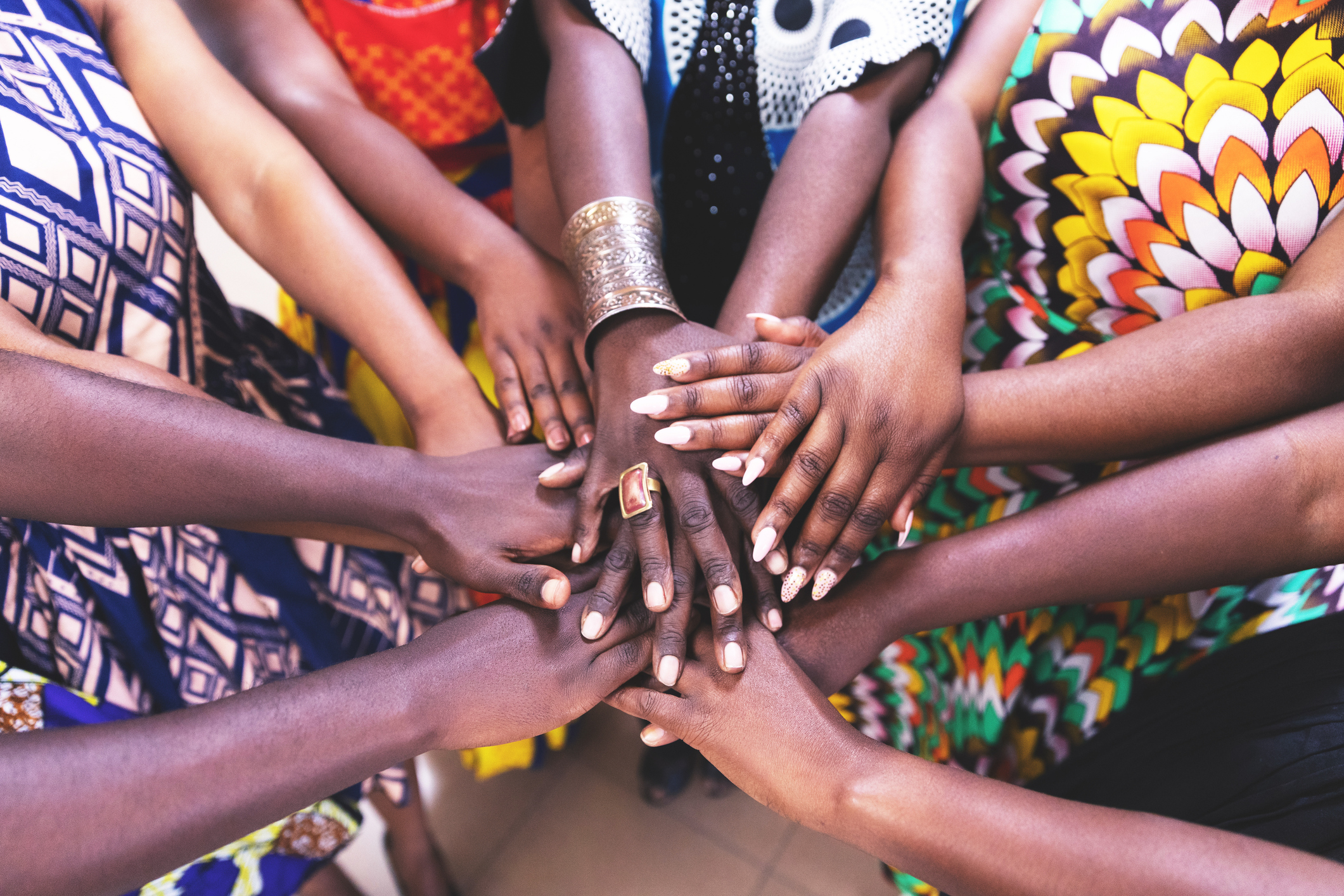
“We Are One” is a song that resonates at many family reunions, house parties, and lately, in our playlist featuring songs by our late friend, brother, and vocal genius, Frankie Beverly—a song centered on fostering love and understanding among people. Women of color face disparities worldwide, particularly in Africa and the United States. While you may come across headlines stating that the most notable success story regarding cervical cancer in the United States is the significant decline in both incidence and mortality rates—primarily due to the widespread use of regular cervical cancer screenings, especially through Pap smears, resulting in over a 70% drop in cervical cancer deaths—it's important to note that, as a prominent gynecologic oncologist and surgeon has emphasized, “Cervical cancer still occurs and causes deaths in underserved communities in wealthy countries like the U.S., where rates are highest in places like Oklahoma, Kentucky, West Virginia, Tennessee, Louisiana, Texas, Florida, Mississippi, and Alabama.” – Dr. Groesbeck Parham
According to research from the Center for American Progress, over 80% of Black mothers are considered primary, sole, or co-breadwinners for their families, significantly higher than the percentage of white mothers in the same category. The Healthline article, We Weather the Storm at the Cist of Our Health” highlights important facts that correlate with experiences of sisters around the world:
- Our physical and mental health is impaired as people stand around and watch us suffer.
- Black women are disproportionately affected by mental health conditions like anxiety, having more intense and chronic symptoms compared with our white counterparts.
- Our physical pain is routinely downplayed and undertreated by white doctors.
- Black women also have a higher risk of developing — and dying from — illnesses such as heart disease and cancer.

Parham lives in Lusaka, Zambia, where he has practiced gynecological oncology and built medical systems for more than 20 years.
Finally, Healthline states, “Our bodies are literally being worn down by the stress we face, further demonstrating that the lived experience of Black women isn’t merely a trendy political discussion point. It’s a very real public health crisis that erodes our very existence.” IAWH concurs. Acknowledge and prioritize your health.
African American women are more likely than other women—except Hispanic women—to develop cervical cancer, and they are the most likely to die from this disease. African American women die from cervical cancer at higher rates than other women in the United States. According to the Centers for Disease Control and Prevention, there are several reasons for this situation. African American women may:
- Not get screened enough.
- Not get their test results.
- Not get timely follow-up after receiving abnormal test results.
- Be more likely to be diagnosed with types of cancer that are harder to treat.
- Get diagnosed at a later stage of cancer.
- Get different types of treatment.
Cervical cancer can be prevented. And if you find it early, cervical cancer can be treated – Get Screened.
Regular screening can prevent cervical cancer or help find it early when it’s easy to
treat – speak with your health clinician about the screening that’s right for you:
- At the age of 21, begin receiving Pap tests every three years to screen for cervical cancer.
- From age 30 to 65, you can get a Pap test every 3 years, OR an HPV test every 5 years, OR a Pap test and an HPV test together every 5 years (co-testing).
- After age 65, you may be able to stop screening OR you may need to get screened if you haven’t been screened in a while and have not had a hysterectomy. Talk with your doctor.
Cervical Cancer in Zambia: A Global Perspective on Prevention and Treatment Strategies That Are Working
The cervical cancer mortality rate for non-Hispanic Black women in the United States was 3.3 per 100,000 between 2016 and 2020. This is higher than the rate for non-Hispanic White women, which was 2.0 per 100,000 during the same period. Zambia has the third highest burden of cervical cancer in the world, with an incidence rate of 65.5 per 100,000 women and a mortality rate of 43.4 per 100,000 women in 2020. Despite being a preventable and treatable disease, cervical cancer accounts for about 23% of all new cancer cases in the country. The peak age at diagnosis is between 40-49 years.
Cervical Cancer Eradication in Lusaka, Zambia
Dr. Groesbeck Parham is a dedicated gynecologic oncologist in the Department of Obstetrics and Gynecology at the University of North Carolina Chapel Hill, working in Lusaka, Zambia. Surgeon, researcher, and teacher – aptly named "Professor" in Zambia who works tirelessly to eradicate cervical cancer and enhance the lives of women. He is known worldwide for his work in Zambia, and we are fortunate to embrace and celebrate his caring, kindness, and expertise as one of our board members who is "doing the work" that Vice President Kamala Harris speaks about to support our sisters in Africa.
Dr. Parham shares, in simple terms, about the conditions facing our sisters in Zambia and the exceptional strides here.
Dr. Parham's work in Lusaka, Zambia, an African nation with a population of about 16 million people, focuses on saving the lives of women and girls from cervical cancer by utilizing methods practiced in the United States, specifically through prevention, early detection, and treatment.
When he arrived in 2005, about 10,000 women had been screened for cervical cancer. Since then, more than 600,000 women have been screened, with over 20,000 treated for cervical precancer and hundreds for invasive cervical cancer. He, along with the teams he has trained and others, is providing public health solutions for all women. In 2006, Zambia launched its prevention program with two clinics in the capital. This initiative has since expanded to over 160 clinics across the country, and now over 300,000 women are screened for cervical cancer each year, often for the first time. Additionally, Zambia began its HPV vaccination program in 2013, and between 2013 and 2016, more than 50,000 adolescent girls were immunized against the human papillomavirus, which is responsible for nearly all cervical cancers. Much is universal regarding the importance of caring clinicians. Dr. Parham says:
IAWH admires Dr. Parham for his grace, caring, and ability to make such significant changes in the lives of girls, women, and their families because of their ability to live in wellness! IAWH values any time we can connect online or in person to learn from his journey and successes and discuss how we can continue making a difference here and abroad.
Our message is this: We Are One. Stay encouraged, take the necessary steps to maintain your health, and share your knowledge with others. Please also check out the selected content regarding Dr. Parham’s influence on our lives. Remember to review our other awareness observances listed below.
In peace and health,JanineCo-Director, IAWH
Additional chosen content regarding Dr. Parham's impact:
- In 2022, the International Agency for Research on Cancer (IARC) focused on research initiatives for Cervical Cancer Awareness Month. For over five years, IARC scientists, in collaboration with Professor Groesbeck Parham and his team in Zambia, have been developing a new handheld device that destroys precancerous cells, preventing cervical cancer. Learn more here.
- In 2022, Groesbeck wrote an article I hope you visit, share, and like: Time for Another Birmingham Crusade: Cervical Cancer Elimination.
- Can Zambia Eliminate Cervical Cancer? (2020; Dr. Parham featured)
- Social Determinants of Cervical Cancer, United Nations Presentation, Groesbeck Parham, MD
Other Selected January 2025 Health Observances
Birth Defects Awareness Month, National
Cervical Health Awareness Month
Glaucoma Awareness Month, National
Maternal Health Awareness Day (January 23)
Radon Awareness Month (Radon is the leading cause of lung cancer deaths among nonsmokers in America and claims the lives of about 21,000 Americans each year).
This article first appeared on the IAWH Health blog on January 13, 2025 and is preserved here as part of the IAWH Health Journal archive. Information reflects what was known at the time of publication. This article is for general education and is not medical advice.