This month we had intended to share notes with you on Alzheimer's disease, other dementias, and brain health, but with temperatures already reaching triple digits in several parts of the country, national disasters declared following unprecedented tornadoes, and flooding, we're going to have to go off script. We will get to the other topics later this month.
This heat can kill you. That is not an exaggeration. I am not a climate scientist, but I do get to play one on my day job, where I explore the impact of the frequency and intensity of extreme weather conditions on public health. It is not your imagination that summer temperatures are arriving earlier and with more intensity. Extreme heat can have the ability to destabilize the atmosphere and contribute to conditions that can spawn cascading emergency events such as tornados, voluminous rain downpours that can lead to flooding, intensified and more frequent hurricane activity, drought, and wildfire. To learn more, study the links following this article.
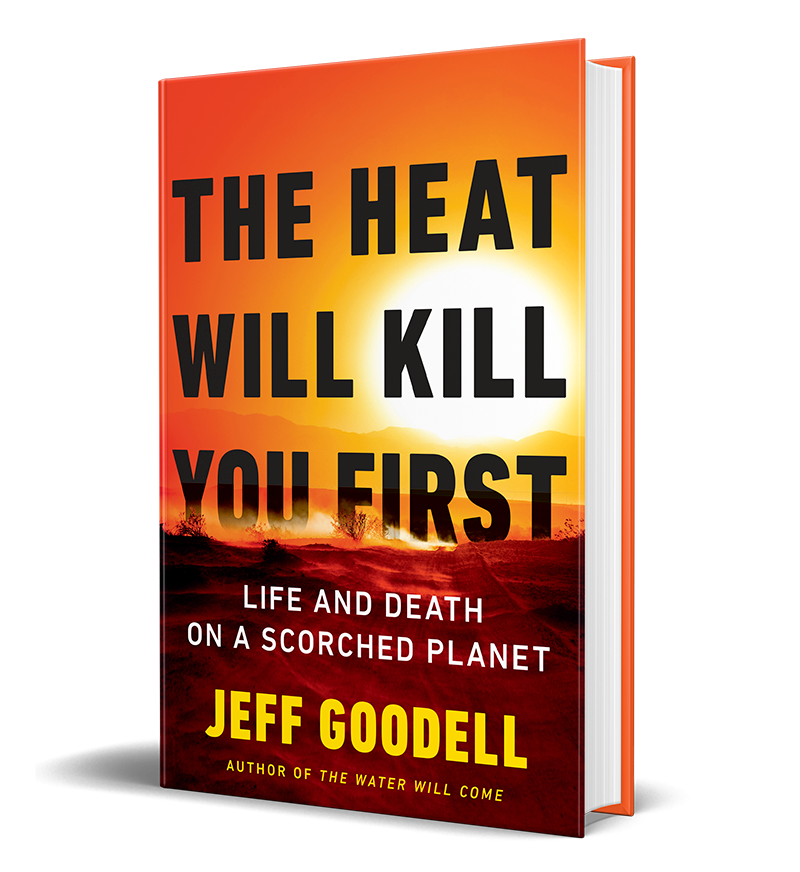
Heat seems to be the leader of this gang of six extreme weather conditions. The impact that heat can have on physical and mental health can literally be breathtaking. No one describes the way that heat can overtake even the strongest and healthiest persons better than Jeff Goodell in his book, The Heat will Kill you First: Life and Death on a Scorched Planet. Right off, in the first chapter he describes what happened to a young healthy couple that went on a routine hike in the mountains of California with their dog in tow and their young baby strapped to their back. When the couple goes a little too far and are out in the sun for much longer than they anticipated, running out of water, you will learn about not only the physical destruction of heat - the burning, the dehydration, the inability to sweat, the literal melting of delicate bodily tissues, organ overwork and failure and more in such a short time, but also the neurological misfiring bringing on impaired cognitive functions and the inability to string coherent thoughts together.
We hope that no one experiences the fate of the couple and their young child in this book. We offer some tips, tools, and reminders about heat/extreme heat that may help you through this season.
Tips, Tools and Reminders -
The Air We Breathe, Air Quality -
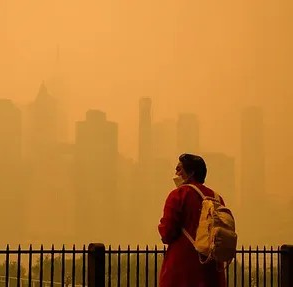
Remember last year when the skies above were cloudy and apocalyptically orange and red due to the drafting of wildfires burning out of control in Canada? Temperature can affect the movement of air. Air moves slower in hot temperatures. This is bad news when air quality is poor, polluted. This holds particularly true in urban areas, where there are more cars, trucks, buses, and trains running. You can check the daily and forecasted air quality in your area and across the country using the Air Now dashboard by simply putting in a zip code. When dangerous levels of air quality are detected, stay indoors.
When the Lights Go Out -
Make a plan for when, not if, the power grid becomes unsustainable. When the lights go out, be ready. Below are some suggestions to add to your plan.
- Get Lit - Add solar, hand crank, and battery-powered camping lights to your plan. These lights are an inexpensive and very reliable backup when the lights go out. These can be purchased at your local discount store, online, and some food stores.
- Go Low - With no electricity to power fans or air conditioners, while at home, work and sleep on the lower or lowest level of your home or dwelling. Heat rises and it is easy to become overwhelmed by dense hot air that is not circulating.
- Dab your body (forehead, face, neck, limbs, underarms, feet) continually dab them with a dampened/wet cloth or sponge to help lower and manage your core body temperature.
- Go to the cool! The National Center for Healthy Housing offers a list of cooling centers by state. Most states offer information when you dial 2-1-1
- Not interested in sitting in a municipal cooling center? Go to the movies, go to an indoor shopping mall (if they still exist in your area) or a big box store, visit the local library, or another public civic space that is still powered and running air conditioning.
Stay Hydrated -
This call for hydration does not include coffee, tea, juice, milk, beer, liquor, wine, or even sports drinks. Your body needs WATER. Don't just pour the juicy glass of water. Drink it! Sip it!
Did you Know:
- A body can be up to 75% water.
- Factors like age, sex, and body type can impact your hydrations levels.
- Lean muscle contains more water than fatty tissue.
- If you take the very popular GLP1 (Semaglutide) to manage type 2 diabetes or for weight loss (Ozympic, Wegovy,), these medications not only suppress your appetite, but they also can suppress your thirst.
- Dehydration can lead to fatigue, dizziness, confusion, constipation, hard and painful bowel movements, and slow digestion.
Heart Health and Heat -
Heat and extreme heat puts stress on the heart, making it pump faster and work harder to keep the body cool (radiation) routing blood to the skin to dissipate heat.
- The American Heart Association wants you to know the symptoms and seek safety from the heat.
Heat Exhaustion
- headaches
- heavy sweating
- cold, moist skin, chills
- dizziness or fainting
- a weak and rapid pulse
- muscle cramps
- fast, shallow breathing
- nausea, vomiting or both
Heat Stroke
- warm, dry skin with no sweating
- strong and rapid pulse
- confusion and/or unconsciousness
- high fever
- throbbing headaches
- nausea, vomiting or both
Did you Know?
- Certain medications, including beta blockers, ace receptor blockers, ace inhibitors, calcium channel blockers and diuretics, used to treat hypertension, atrial fibrillation (Afib), and other heart conditions can exaggerate the body’s response to heat.
- Pregnant persons who have a body temperature above 102.2 degrees Fahrenheit are at greater risk for heat exhaustion, heat stroke, and dehydration.
- Heat stroke is not the same as a stroke. Stroke happens when a blood vessel to the brain either bursts or is blocked by a clot, causing a decrease in oxygen flow to the brain.
- You can remain safely physically active in the heat when you do the following: Check with your doctor first before you do anything.
- Avoid outdoor exercise between noon and 3:00 p.m. (it is usually hottest at that time.).
- Stay hydrated, keeping water with you, sipping as you go.
- Dress in lightweight moisture-wicking fabric. If outside, use sunscreen and wear sunglasses.
- Pace yourself - take frequent breaks, listen to your body as it adapts to the heat. You may need to rest and recover sooner.
- Maybe partner up to be your sister's or brother's keeper to stay safe.
Heat Hormones and Health -
Women's health research in general lags far behind so it is not surprising that the evidence-base is low on the impact of heat/extreme heat on women experiencing hormone changes due to peri-menopause, menopause, and post menopausal women. Here is what we can share:
- Hot Flashes/Night Sweats - Fluctuations in average and extreme temperatures may affect the manifestation of vasomotor (relating to the constriction or dilatation of blood vessels) symptoms, such as hot flashes and night sweats.
- Heat and Pollution - increased exposure to environmental pollution and toxins may also play a role in the ovarian aging mechanisms, potentially influencing the timing of menopause.
- Cortisol Levels- Cortisol, the stress hormone, tends to be higher in saliva during summer compared to winter. While cortisol is essential for maintaining balance in the body, the exact reason for this seasonal variation isn’t fully understood.
- Heat stress can lead to an increase in cortisol levels. When your body experiences extreme heat, it activates stress pathways, triggering cortisol release.
- Some studies suggest that women experiencing frequent b flashes (common during menopause) may have slightly abnormal cortisol levels.
- Chronic exposure to high temperatures may disrupt the normal cortisol rhythm, affecting sleep, energy levels, and overall well-being.
- Mood and Mental Health - Surprisingly, outside temperatures play a significant role in mood. Research shows that as temperatures rise, the risk of mood disorders, anxiety, and mental health issues increases.
What to Eat When it is Hot -
Easy Meals, Quick Meals, Light Meals - Who wants to fire up the oven or stovetop in extreme temperatures? Not me. Below are a few suggestions to incorporate into your summer menu.
- Certain foods are naturally light and hydrating, like cucumbers, zucchini, radish, tomatoes, cabbage, strawberries, watermelon, sweet peppers and ah yes, cantaloupe. Consider using some of these fruits and veggies as the base for delicious meals.
- Watermelon, cucumber, feta, with sprigs of mint makes a refreshing and filling summer salad.

- incorporate some of these hydrating foods in a smoothie (Watermelon, strawberries, bananas (to give it body), blueberries, pineapple and plain or Greek yogurt (find a non-dairy alternative) tastes so good. Make enough to share.
- Try frozen grapes for a cool treat.
- Consider doing meal prep, cooking on one day and using the microwave to reheat is better than cooking everyday.
- Pull out the crockpot, air fryer, and have you shelved that Instant Pot that you couldn't wait to get? These kitchen tools keep the heat down while allowing you to enjoy good food. Try this recipe - Watermelon, Feta and Mint Salad.
Vote - Last Tip -
- In local and national elections, do your homework, read, ask questions and vote for candidates up and down the ballot that acknowledge, talk about, and demonstrate that they understand what extreme weather can do and want to do something to protect you and your community.
Resources
- How Does a Heat Wave Affect the Human Body? | Scientific American
- What percentage of the human body is water? (medicalnewstoday.com)
- Thirsty on a GLP1 like Ozempic or Wegovy?
- Heart problems and the heat: What to know and do - Harvard Health
- 5 ways to keep your heart safe in extreme heat | American Heart Association
- How to Be Active Safely in Warm Weather | American Heart Association
- Impact of Climate and Environmental Change on the Menopause
- Heat wave safety tips for 2021: What to eat, drink and avoid (today.com)
Cheryl J. Thompson, MSPH
Co-Executive Director
This article first appeared on the IAWH Health blog on June 17, 2024 and is preserved here as part of the IAWH Health Journal archive. Information reflects what was known at the time of publication. This article is for general education and is not medical advice.
Topics: climate, heat, health